ForgeFrame — composable primitives for ambitious builders
ForgeFrame accelerates bold teams with modular technology primitives: low-friction integrations, kinetic UX, and resilient ops. Build faster, ship smarter, and keep people in control as scale grows.

Core Pillars
Three engineering pillars guide the ForgeFrame approach: modular APIs for frictionless reuse, UX scaffolds that favor discovery and control, and operational primitives that make resilient services predictable.
Composable APIs
Small, testable endpoints that stitch together into larger flows without brittle coupling.
Kinetic UX
Micro-interactions and HUD feedback that make tooling feel immediate and trustworthy.
Resilient Ops
Predictable recovery, clear telemetry, and runbooks crafted for humans under pressure.
How it comes together
ForgeFrame splits complexity into bounded layers that teams can adopt incrementally. Start with a scaffolded interface, attach services via adapters, and observe system behavior through built-in traces. Each layer has predictable upgrade paths so teams can iterate safely.
Prototype fast. Validate intent. Keep contracts explicit.
Adapters turn third-party tools into local behaviors without lock-in.
Purposeful telemetry surfaces signals, not noise, so teams act quickly.
Gallery — product snapshots
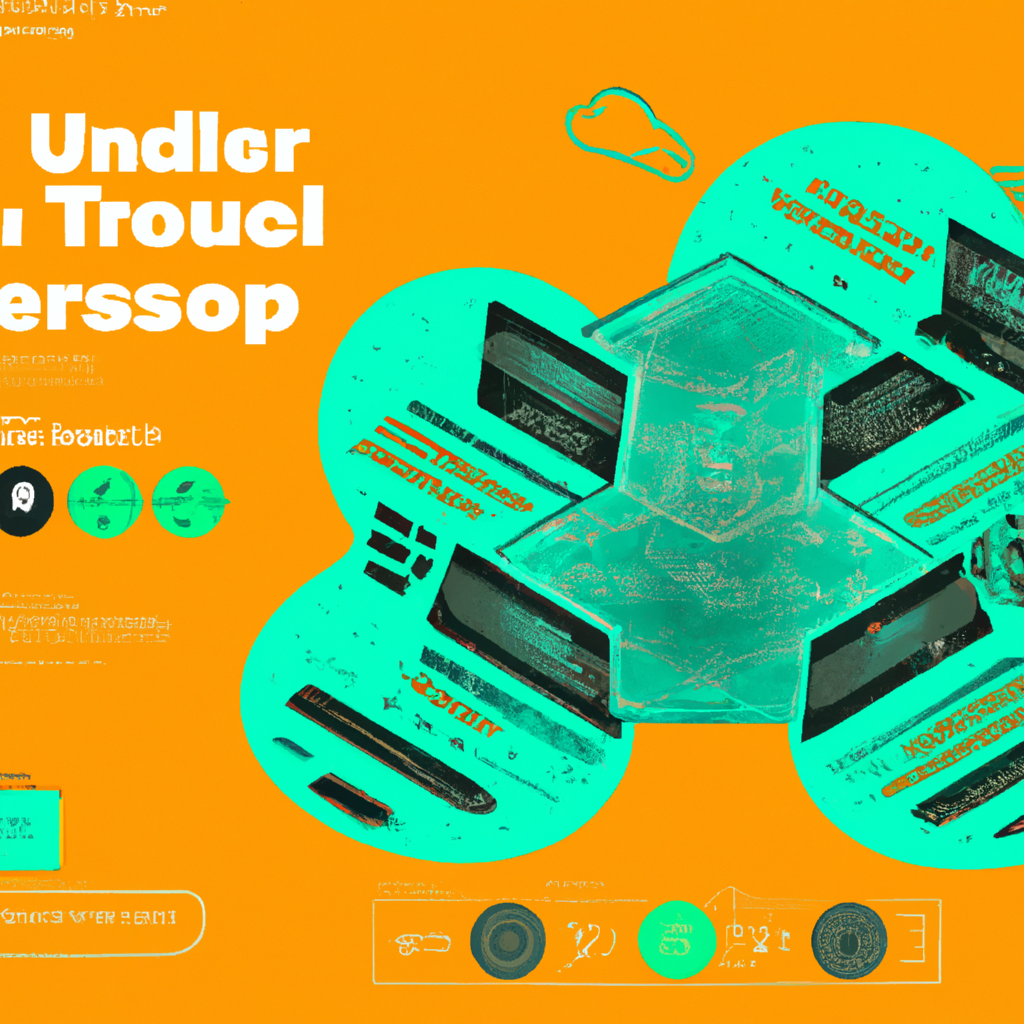
A few frames that show common flows: deployment patterns, explorer panels, and collaborative overlays. Each image is a slice of operational reality, not a hypothetical mock.

Voices from early partners
"Adopting ForgeFrame cut our integration time in half and kept incident overhead predictable. The scaffolds let product and infra move together without friction."
— Aria N., Platform Lead
"The HUD feedback and microinteractions changed how teams reason about reliability. Alerts are clearer and runbooks actually get used."
— Mateo R., SRE
Try a guided prototype
Book a short engagement and get a working prototype that connects to one live service. We help wire the adapters and deliver runnable scaffolding.
FAQ
Is ForgeFrame vendor neutral?
Yes. Adapters avoid lock-in by exposing small, testable contracts that can be swapped when needs change.
How long does a prototype take?
Typical engagements deliver a runnable scaffold in one to three weeks depending on scope.
Contact — request a prototype
Tell us a little about your project. We’ll respond with a proposed scope and next steps.